If you run a café, bubble tea chain, or any operation that serves drinks in disposable cups, you have asked the question: paper cups or plastic cups? The answer seems obvious. Paper is “green,” plastic is “bad.” But spend thirty minutes digging into the data and that certainty crumbles.
With over 500 billion disposable cups used worldwide each year and less than 1% of paper coffee cups actually getting recycled globally, the stakes are higher than most business owners realize. This guide walks through what the materials are, what they actually cost, how they perform, and how to choose without falling for marketing claims that don’t hold up.
What Paper and Plastic Cups Are Actually Made Of
Most buyers don’t know what their cups are really made of. The biggest surprise? Paper cups are not just paper.
| Material | Raw Source | Typical Cup Type | Key Trait |
|---|---|---|---|
| PE-lined paper | Wood pulp + polyethylene film | Hot drink cups | Plastic lining prevents leaking but blocks recycling |
| PLA-lined paper | Wood pulp + plant-based PLA film | “Compostable” hot cups | Requires industrial composting (58°C) |
| PET (#1) | Petroleum | Clear cold drink cups | Crystal transparency, most recyclable plastic cup type |
| PP (#5) | Petroleum | Bubble tea/sealed cups | Heat-seal compatible, handles hot-fill |
| PS (#6) | Petroleum | Foam cups | Lightweight insulation, banned in many markets |
The paper cup on your desk is actually a composite: paperboard bonded to a polyethylene (PE) lining 15–20 microns thick. That lining keeps hot coffee from turning the cup into pulp. It also makes the cup nearly impossible to recycle in standard paper streams. Some manufacturers now use PLA, a plant-based polyester derived from corn starch, as a lining alternative. But PLA cups come with their own fine print: they only break down in industrial composting facilities that maintain a steady 58°C. Most cities don’t have one.
On the plastic side, the three players are PET (#1), PP (#5), and PS (#6). PET is nearly as clear as glass. PP handles heat-sealing, which is why virtually every bubble tea chain uses it. PS foam offers insulation at the lowest unit cost but faces active bans across the EU, Canada, and a growing number of U.S. states.
Environmental Impact — Beyond the “Green” Labels
Which cup is better for the environment? The honest answer: neither material wins across all dimensions. To evaluate a cup’s environmental footprint properly, you need to look at three stages — production, disposal, and the one most guides ignore, what happens in between.
Carbon Footprint, Water Use, and Energy — The Production Phase
If you measure only at the factory gate, plastic cups look surprisingly lean. A polystyrene foam cup uses roughly 30% of the electricity and half the steam energy required to manufacture an equivalent PE-lined paper cup. Its total chemical input is about 3% of a paper cup’s. A single PE-lined paper cup carries a production carbon footprint of approximately 0.11 kg CO&sub2;e. Producing 500 paper cups consumes around 370 gallons of water, compared to roughly 53 gallons for one ceramic mug used 500 times.
Paper starts with a renewable resource. Trees — roughly 20 million of them cut annually for disposable cups alone. But the pulping, bleaching, and coating process is energy-intensive. Plastic starts with petroleum, non-renewable, but requires less energy to form into a finished cup. The comparison is genuinely a trade-off, not one-sided.
Biodegradability vs. Reality — Why “Compostable” Doesn’t Mean What You Think
The word “biodegradable” does most of the heavy lifting in paper cup marketing. It misleads in two ways.
First, a PE-lined paper cup is not meaningfully biodegradable. The paper portion can break down in months under ideal aerobic conditions, but the PE lining persists. In the oxygen-starved environment of a landfill, even the paper fraction barely degrades. Intact paper cups have been excavated from landfills after 20-plus years.
Second, PLA-lined cups labeled “compostable” require industrial composting facilities running at 58°C with controlled humidity and microbial activity. These are conditions defined by ASTM D6400 and EN 13432 standards. Drop a PLA cup in your backyard compost pile, which typically reaches 30–40°C, and come back in a year. It will still be a cup. Unless your city runs a commercial composting program that explicitly accepts PLA-lined cups, that “compostable” label is functionally meaningless. Worse, PLA cups mixed into PET recycling streams can contaminate entire batches.
The Hidden Plastic in Paper Cups — Microplastic Release
In 2021, researchers at IIT Kharagpur published findings that shifted the conversation in a way most consumer-facing guides still haven’t absorbed. When they poured hot water at 85–90°C into PE-lined paper cups, they detected approximately 25,000 micron-sized microplastic particles released into 100 ml of water within 15 minutes. They also found lead, chromium, and cadmium at levels exceeding WHO drinking water guidelines.
Perhaps most counterintuitively, PLA-lined “biodegradable” cups released 3.6 times more microplastic particles than conventional PE-lined cups. The sub-micron particles — over 100 million per milliliter — are small enough to cross the intestinal barrier and enter the bloodstream. This does not mean your morning coffee is toxic. The long-term health effects are still being studied. But it does mean the assumption that “paper cup = safer” deserves scrutiny.
The Real Cost of Disposable Cups — Total Cost of Ownership
Most cup comparison articles stop at unit price: paper cups cost $0.05–$0.10 more per unit than equivalent PP cups. That number is real, but it tells you almost nothing about what you will actually spend.
A total cost of ownership (TCO) view accounts for six dimensions that unit price hides:
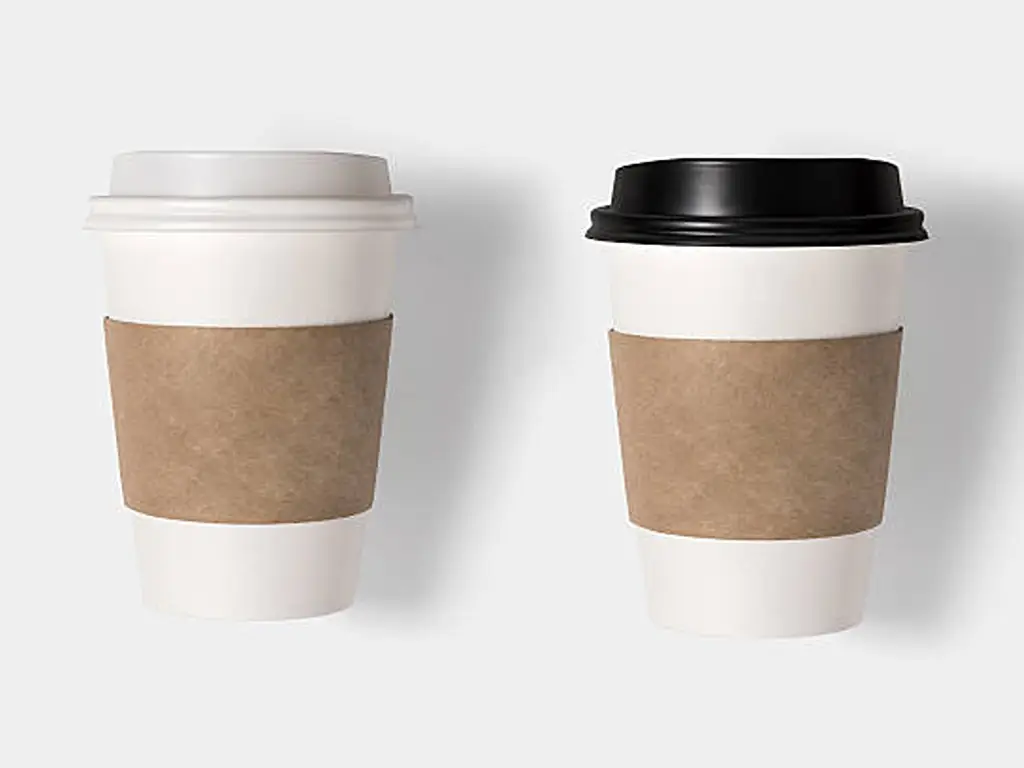
- Lid and sleeve costs — A single-wall paper cup needs a sleeve (add $0.03–$0.05 per serve). A double-wall paper cup eliminates the sleeve but costs more upfront. Run the math at your volume before deciding.
- Shipping weight and volume — Paper cups are heavier and bulkier per unit than PP cups. Freight costs scale accordingly, especially for import shipments.
- Storage losses — Paper cups absorb ambient moisture. In high-humidity climates, expect 2–5% warehousing loss from warped or stuck cups.
- Damage and defect rates — Cheaper cups tend to have higher failure rates. A leaking cup costs you far more in customer complaints than you saved on the invoice.
- Waste disposal fees — Municipalities increasingly charge higher tipping fees for non-recyclable waste. If your cup type is not accepted in the local recycling stream, you pay more to throw it away.
- Regulatory risk — Plastic cup bans are spreading. Switching from plastic to paper and then back because of a new law is expensive. Factor in the cost of a potential forced transition.
For a café serving 300 drinks a day, these hidden costs can shift the “cheaper” option by hundreds of dollars a month. The direction depends on the specific cup, lid, and local waste system.
Want to run the TCO numbers for your own operation? We can help you compare cup materials against your actual volumes, lids, and local waste costs.
Get a ConsultationPerformance Face-Off — Hot Drinks, Cold Drinks, and Everything Between
The single most reliable rule in disposable cup selection: match the material to the drink. Get this right and most other variables fall into place. Three factors determine the right fit: beverage temperature, visual presentation needs, and how long the customer will hold the cup.
Hot Beverages — Insulation, Safety, and the Sleeve Question
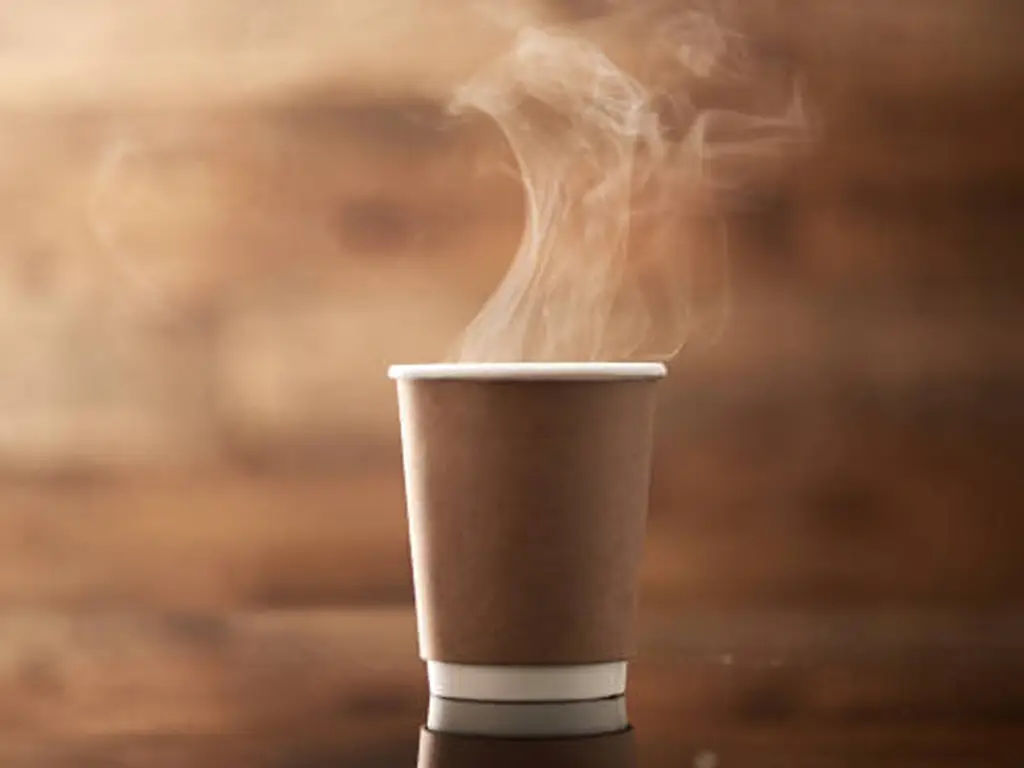
For hot drinks, paper cups dominate for a reason. A double-wall paper cup keeps 90°C liquid comfortable to hold for 20-plus minutes while the drink temperature gradually drops 8–12°C. The corrugated air gap in a ripple-wall cup adds insulation without adding cost for a separate sleeve.
PP cups can technically handle hot liquids — PP’s melting point is around 160°C. But a single-wall PP cup filled with 80°C+ liquid will reach an exterior surface temperature above 65°C. That is not a comfortable hand feel; it is a burn risk. PET cups should never hold anything above 60°C. The material begins to soften, and antimony catalyst residue migration increases measurably.
For most cafés, the choice comes down to single-wall paper plus a sleeve versus double-wall paper. Single-wall plus sleeve gives you the most printing real estate — the cup body and the sleeve both carry branding. Double-wall saves you the sleeve cost and the labor of assembly. Test both with your actual cup size and lid combination before committing to a bulk order.
Cold Beverages — Clarity, Condensation, and Crack Resistance
Cold drinks flip the material hierarchy. PET cups offer roughly 90% light transmittance, functionally glass-clear, which makes layered iced lattes, fruit teas, and smoothies look like the Instagram content they are. That transparency is not cosmetic; it drives purchase decisions when customers can see freshness, fruit pieces, and color gradients.
PP cups offer slightly less clarity but bring one capability PET cannot match: heat-seal compatibility. Bubble tea and fruit tea shops depend on PP because the sealing film requires 160–180°C thermal pressure to bond. Those temperatures warp PET. If your menu includes sealed-lid drinks, PP is not optional.
Paper cups perform worst in cold-drink scenarios. Condensation on the exterior wall softens the paperboard within 30 minutes, degrading grip and perceived quality. For iced drinks served for immediate consumption at an event, paper cups work. For a takeaway iced latte meant to be carried for 20 minutes, they do not.
For anyone sourcing cold-drink cups, here is what matters: PET’s clarity advantage only holds when the material is food-grade virgin resin. Cups made from lower-grade or blended feedstock can appear cloudy or carry off-notes. For businesses that depend on drink presentation to drive sales — juice bars, smoothie chains, specialty cafés — verifying that the PET cup supplier uses FDA 21 CFR- and EU 10/2011-compliant virgin material from a traceable source like CRCCHEM-grade PET is a procurement checkpoint, not a nice-to-have. Some manufacturers also offer in-house silk-screen printing and shrink-film labeling for branded cup designs, reducing the need to coordinate across multiple vendors.
Health and Chemical Safety — What Leaches Into Your Drink?
The IIT Kharagpur findings described earlier make the health dimension worth its own section. Both cup types carry chemical migration risks, but the risks differ in nature and severity.
For paper cups, the concern centers on the plastic lining. Hot water degrades the PE or PLA film, releasing microplastic particles as well as ionic contaminants — fluoride, chloride, sulfate, nitrate — and heavy metals including lead, chromium, and cadmium. The concentrations detected exceed WHO drinking water quality thresholds. The long-term health implications of chronic microplastic ingestion are not yet fully understood, but the precautionary principle suggests minimizing exposure where practical alternatives exist.
For plastic cups, the concern most consumers think of first — BPA — is largely misplaced. BPA is used in polycarbonate (PC) and epoxy resins, not in PET or PP. The actual risks with PET cups are antimony catalyst residues, which increase with temperature above 60°C, and, with some lower-grade PP, phthalate plasticizer migration. Food-grade PET and PP produced under FDA 21 CFR 176.170 and 177.1630 or EU Regulation 10/2011 are tested to keep migration below safety thresholds under normal use conditions.
The practical takeaway: buy cups from suppliers who can produce current, named certification documents. Not just logos on a website.
One Thing to Remember
Every time you pour hot water into a paper cup, the lining releases microplastic particles. Demand certification documents from your supplier — not logos, not claims, but named, current compliance certificates.
The Recycling Reality — What Actually Gets Recycled vs. What Gets Landfilled
“Recyclable” is the most overused word in disposable packaging. The gap between technical recyclability and actual recycling rates is where the waste crisis lives.
| Material | Resin Code | Technically Recyclable? | Actual Recycling Rate | Main Obstacle |
|---|---|---|---|---|
| PE-lined paper cup | N/A | No (mixed material) | <1% | Plastic lining fused to paper fiber — cannot be separated in standard pulping |
| PLA-lined paper cup | N/A | No (contaminates recycling) | <1% | Mistakenly sorted into both paper and plastic streams, contaminates both |
| PET cup | #1 | Yes | <10% (highest among cups) | Food residue, colored additives, limited sorting capacity |
| PP cup | #5 | Yes | ~2% of discarded PP containers | Low market value, few reprocessing buyers |
| PS foam cup | #6 | Rarely | Near zero | Banned in many jurisdictions, no economic recycling pathway |
A PET cup carries a #1 resin code and can, in theory, be ground, washed, and pelletized into recycled PET (rPET). But fewer than 10% of PET cups actually enter that pathway. The rest go to landfill or incineration. For PP cups, the recycling infrastructure is even thinner. U.S. reprocessing capacity covers roughly 2% of discarded PP containers by volume. The economics of collecting, sorting, and transporting lightweight PP cups rarely close.
The term “widely recyclable,” increasingly used in industry press releases, measures the percentage of households that have access to a collection bin. It does not measure the percentage of cups that actually become new products. A 2026 announcement that plastic to-go cups are “widely recyclable” to over 60% of U.S. households tells you about bin placement. It does not tell you what happens after the truck leaves.
Trace a paper cup from a New York office recycling bin to its destination: the materials recovery facility identifies the paper-plastic composite via optical sorting, flags it as a residual contaminant, and routes it to landfill or waste-to-energy incineration. Total journey time: under 72 hours.
Making the Right Choice — A Decision Framework for Your Business
No single cup type wins every scenario. The right answer depends on three questions: what are you serving, at what volume, and to what brand standard? Use the following scenarios to find your fit.
What are you serving?
Hot, cold, or both? This determines your primary cup material.
At what volume?
Daily cup count drives your cost model and storage strategy.
To what brand standard?
Budget-friendly, premium, or eco-positioned? This shapes cup tier and marketing narrative.
Coffee Shop or Café — Hot Drinks First
If 80% or more of your orders are hot, the decision is straightforward: paper cups. The remaining question is single-wall plus sleeves versus double-wall. If your average ticket is above $5 and your brand leans premium, double-wall or ripple-wall paper cups deliver a more polished hand feel and eliminate the sleeve step at the counter. Calculate total cost per served drink — not just the cup invoice — and compare to your current setup.
Bubble Tea, Smoothie, or Juice Bar — Cold Drinks, Visual Impact
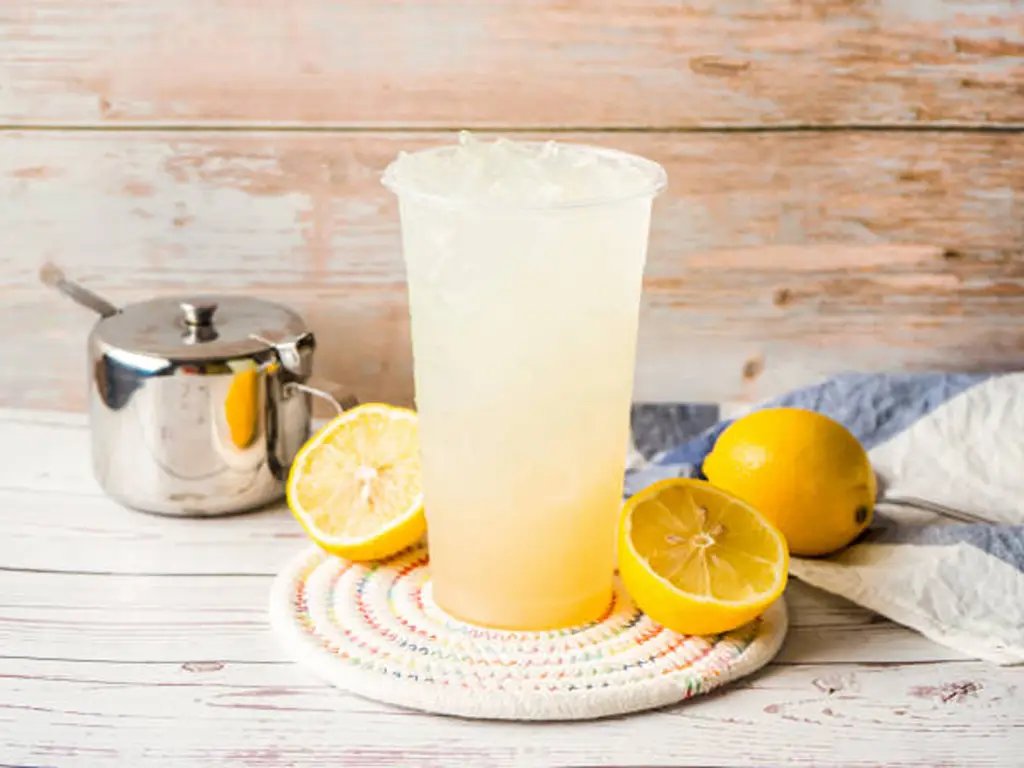
This is plastic cup territory. The choice between PET and PP turns on one factor: do you use a heat-sealing machine? If yes, PP is the only option. If you use snap-on dome lids only, PET gives you the best product presentation. Either way, demand current food-contact compliance certificates from your supplier. Cold liquid sits in that cup for 20–40 minutes. Material quality matters.
Events, Catering, and Large Gatherings — Volume and Durability
When you are serving 500 or 5,000 drinks in a single day, unit economics and failure rates dominate. PP cups are hard to beat on cost-per-unit, stackability, and crack resistance. The exception: outdoor events in hot weather where paper cups provide better grip comfort and insulation for cold drinks sweating in the heat. For large-volume buyers, minimum order quantities vary widely. Some manufacturers start at 1,000 units for standard sizes; heavy customization can push MOQ to 30,000. Negotiate tiered pricing based on annual volume rather than per-order quantity.
Office, Co-Working Space, or Hotel Lobby — Mixed Use, Steady Supply
Mixed beverage environments — coffee machines and water coolers in the same space — require either a dual-cup system (paper for hot, plastic for cold) or a single-material compromise (PP for both, accepting suboptimal hot-drink ergonomics). The dual-system approach adds SKU management complexity; the single-material approach simplifies procurement. Whichever path you take, set up auto-reorder thresholds. Running out of cups in a shared office kitchen generates outsized complaints relative to the item cost.
For businesses managing multiple beverage types across locations, consolidating cup, lid, and accessory sourcing with a single supplier often reduces logistics overhead more than chasing the lowest per-unit cup price across separate vendors. When evaluating suppliers, prioritize those who can ship samples within two business days and who maintain flexible minimum order quantities. This keeps your cash flow from getting locked into warehouse inventory while you test new cup specifications.
Choosing a cup material is a business decision, not an ideological one. Match the material to the drink. Calculate total cost rather than unit price. Verify certifications rather than trusting labels. Check what your local waste system actually processes before committing to a “sustainable” option. The best cup performs its job, fits your budget, and does not rely on claims that fall apart under scrutiny.
Find the Right Cup for Your Business
Get material samples, compare TCO for your specific volumes, and verify certifications before you commit — all from one supplier.
Get a ConsultationReferences
- Ranjan, V.P., Joseph, A. & Goel, S. “Microplastics and other harmful substances released from disposable paper cups into hot water.” Journal of Hazardous Materials, Vol. 404, 124118. IIT Kharagpur, 2021.
- Plymouth Marine Laboratory. “Rethinking single-use plastics.” 2026.
- Huskee. “The Environmental Effect of Disposable Coffee Cups.”
- MTPak Coffee. “How to make disposable paper coffee cups more environmentally friendly.” 2026.
- OUTSTANDING Packaging. outstandingpack.com
- OUTSTANDING Packaging — Contact. outstandingpack.com