
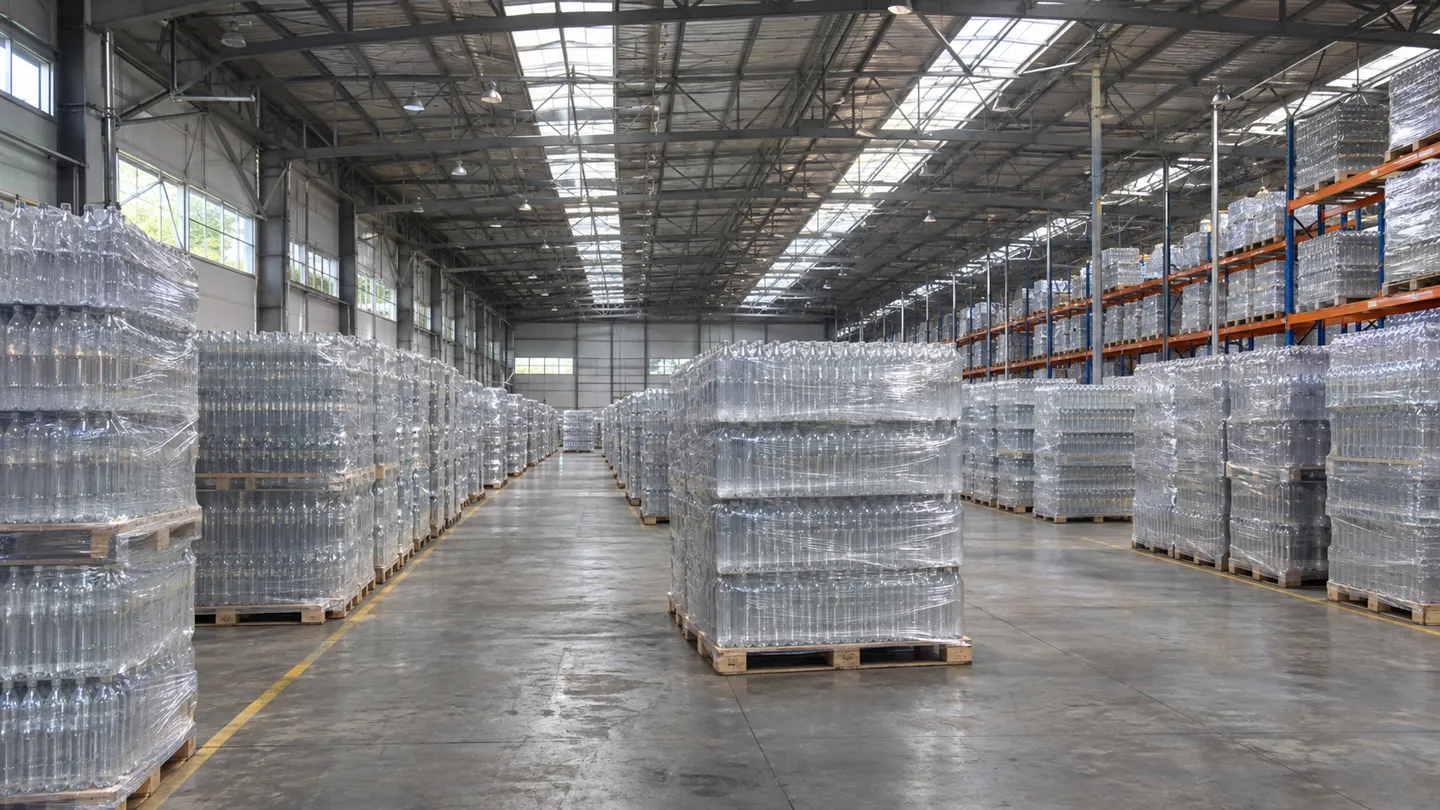
A pallet of 20,000 small PET bottles carries roughly 440 kilograms of plastic. At the current Plastic Packaging Tax rate of £228.82 per tonne, the tax sitting on that pallet is about £101, and it becomes payable the moment those bottles are imported into the UK with less than 30% recycled content. The person HMRC looks for is the importer, not the factory that made the bottles and not the brand that sells what comes out of them.
The tax has been running since 1 April 2022, and it climbs every year. It started at £200 per tonne, then moved to £210.82, £217.85 and £223.69 before reaching £228.82 on 1 April 2026 (GOV.UK, 2026). The annual increases track the Consumer Prices Index, so the line this tax draws in a packaging budget only moves in one direction.
If every article you have read about UK packaging rules seems to contradict the last one, the reason is usually that three different schemes are being mixed together. The Plastic Packaging Tax (PPT) is a charge per tonne on finished plastic packaging components manufactured in or imported into the UK, and it disappears entirely for components with 30% or more recycled plastic. UK packaging EPR is a separate scheme that shifts the cost of collecting and recycling packaging waste to producers, with its own thresholds and its own reporting. The EU plastics levy is not a UK business tax at all: EU member states pay it based on the non-recycled plastic packaging waste each country generates (GOV.UK, 2022). The 25-tonne figure that circulates in trade forums belongs to EPR, not to PPT.
Three schemes, three different questions
| Scheme | What it is | Who it hits | Key number |
|---|---|---|---|
| Plastic Packaging Tax (PPT) | tax per tonne on finished plastic packaging components made in or imported into the UK | the UK manufacturer or importer of each component | 10 tonnes per year, £228.82 per tonne in 2026-27 |
| UK packaging EPR | producer pays the cost of collecting and recycling packaging waste | producers above EPR thresholds | 25 tonnes and above for large producers |
| EU plastics levy | member-state contribution based on non-recycled plastic packaging waste | EU governments, passed on through national rules | €0.80 per kilogram of non-recycled plastic packaging waste |
This article stays on the Plastic Packaging Tax: who owes it, how the tonnage tests work, what a single component costs you, and the paperwork that decides whether you pay at all.
Whether Your Packaging Counts: The Component-Level Test
PPT does not apply to products, shipments or brands. It attaches to each individual finished plastic packaging component, and it owes to whoever manufactures that component in the UK or imports it into the UK (GOV.UK, 2026). On import paperwork, the importer is generally the consignee named on the documents unless records show they were storing goods for someone else who controlled the import (GOV.UK, 2026).
Bottles and Caps Are Taxed Separately
Bottles, caps and labels are manufactured separately before being assembled into one packaging unit, and the tax follows the same logic: every component is assessed on its own. A bottle can pass the recycled-content test while its cap fails, or the other way round (GOV.UK, 2026).

The percentage is also narrower than most buyers assume: it is calculated across the plastic in that component only, not across its total weight. HMRC’s worked example is a 10-gram component holding 2 grams of recycled plastic, 2 grams of virgin plastic, 3 grams of aluminium and 3 grams of board. Buyers who negotiate per finished pack discover this late: the cap line on a specification sheet carries its own exposure, and a cap supplier’s failure becomes a tax bill for whoever imports the cap.
Same component, two outcomes
2 g recycled out of 4 g plastic: no tax is due on the component
1 g recycled out of 5 g plastic: the charge lands on the full 10 g, other materials included
What Counts as Plastic, Including Biodegradable
The definition reaches further than most purchasing teams expect. Biodegradable, compostable and oxo-degradable polymers are all plastic for PPT purposes, so a compostable-looking cup is taxed like any other polymer unless its recycled content clears 30% (GOV.UK, 2026). Additives such as dyes or fillers count as part of the plastic weight. Unmodified cellulose-based materials like viscose sit outside the definition, but chemically modified cellulose such as cellulose acetate sits inside it.
Multi-material components follow a heaviest-material rule: if plastic outweighs every other single material, the whole component is a plastic packaging component. A 10-gram carton of 4 grams plastic, 3 grams aluminium and 3 grams board is chargeable plastic packaging in full. A 5-gram plastic and 5-gram board version is not plastic packaging at all, because a tie does not count (GOV.UK, 2026). For anything with an aluminium-foil seal or a laminated structure, that test decides the tax treatment before recycled content is even discussed.
The Preform Exception: Where Liability Actually Lands
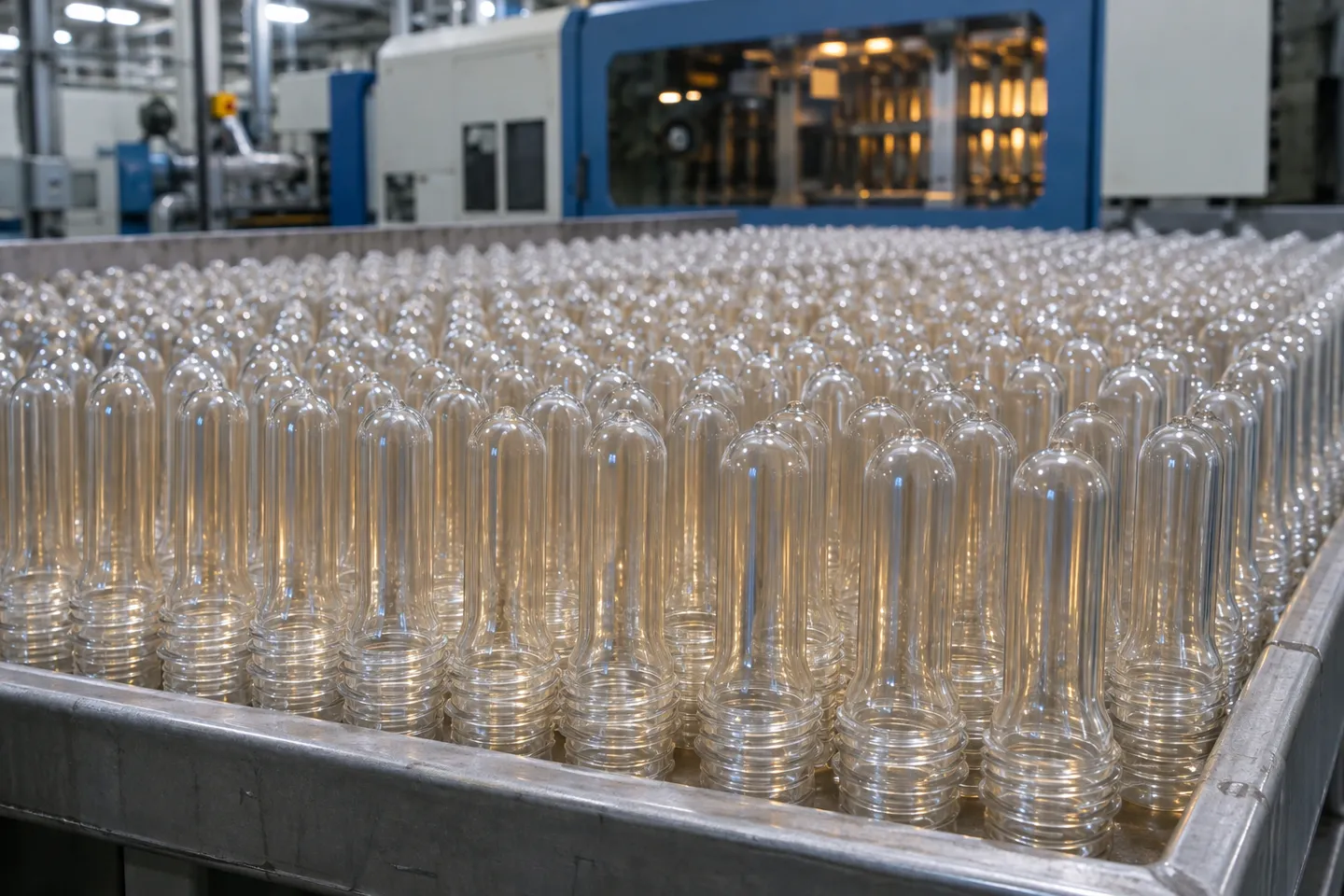
One import pattern catches businesses out every year: semi-finished parts. A PET preform is not a finished packaging component, so importing preforms does not by itself trigger the tax. The obligation appears when a UK business blow-moulds those preforms into bottles, because at that point it is manufacturing finished components in the UK and must register like any domestic producer. Moving to semi-finished inputs does not remove the obligation; it relocates it to whoever finishes the component.
The same logic reaches overseas sellers. A non-resident business that imports finished plastic packaging components into the UK on its own behalf must register, and partners in a firm that crosses the threshold are jointly and severally liable (GOV.UK, 2026). Whoever controls the import controls the tax, so the incoterms on your purchase orders decide more than freight costs do.
Four questions settle most cases before any tonnage is counted:
Component self-check
(1) Is the item a finished packaging component, or still an intermediate such as a preform? (2) Is plastic the heaviest single material in it? (3) Is at least 30% of its plastic recycled, with evidence to show for it? (4) Did you, or your consignee, manufacture it in or import it into the UK? Four yeses mean the component is chargeable unless the tonnage tests below stay unmet.
The 10-Tonne Threshold: Who Registers and How Weight Counts
Registration is a tonnage question with two clocks. You must register if you have manufactured or imported 10 tonnes or more of finished plastic packaging components in the last 12 months, or if you expect to reach 10 tonnes within the next 30 days (GOV.UK, 2026). Either test alone is enough, and if both fire, you register from the earliest date.
finished plastic packaging components manufactured or imported, the registration trigger
the look-back window, checked month by month
the forward-test window, and the deadline to register once liable
The deadline is unforgiving. You must register within 30 days of becoming liable, and the tax applies from the day liability begins, not from the day registration happens (GOV.UK, 2026). A single order can create the obligation on its own: in HMRC’s worked example, a business that books 20 tonnes for delivery by the end of May becomes liable on 16 May and must register by 14 June (GOV.UK, 2026).
Below 10 tonnes you still carry paperwork. HMRC expects businesses that fail both tests to keep records demonstrating that they manufacture or import less than 10 tonnes per year, including filled packaging (GOV.UK, 2026). That file is what you reach for when a supplier adds a tax line to an invoice and you believe it does not belong there.
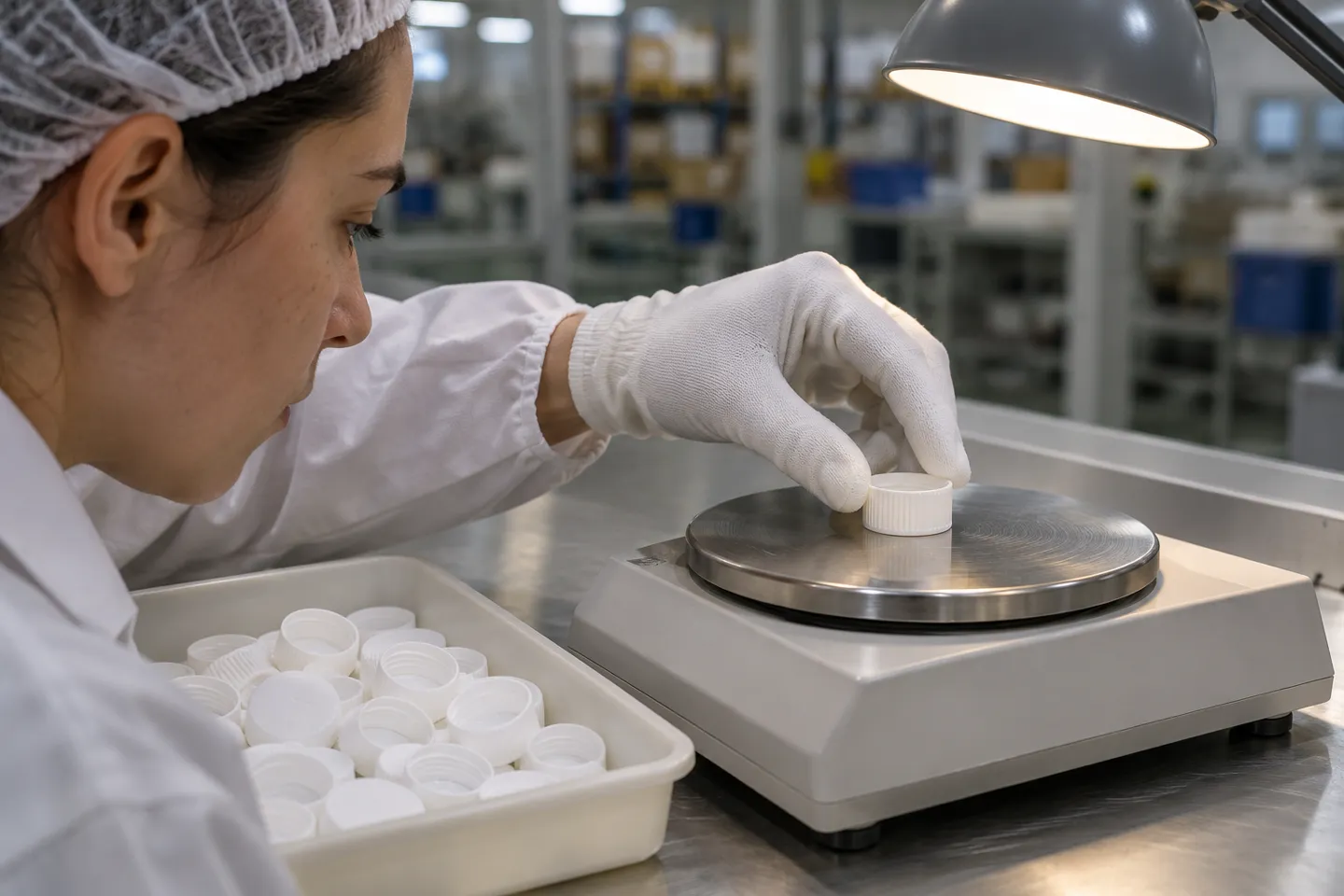
Tonnage itself is measured, not estimated. HMRC recognises five ways to establish component weight: weighing each component, weighing a sample per product line, dividing material inputs across a production run, using a verified specification, or bulk-weighing a run and dividing by unit count (GOV.UK, 2026). Estimates are not a recognised method. On the verified-specification route for goods manufactured overseas, the specification checks can be carried out by the manufacturer, with your due diligence confirming the weights hold (GOV.UK, 2026), which makes “the factory said so” a starting point rather than a defence.
What the Tax Costs You Per Unit
The arithmetic is short. A chargeable component owes £228.82 per tonne of its full weight in 2026-27, and the rate has risen every year since launch (GOV.UK, 2026).
Plastic Packaging Tax rates and what they mean per unit
| Period | Rate per tonne | Tax on a 22 g bottle | Tax on a 66 g jar |
|---|---|---|---|
| 2022-23 | £200.00 | £0.0044 | £0.0132 |
| 2023-24 | £210.82 | £0.0046 | £0.0139 |
| 2024-25 | £217.85 | £0.0048 | £0.0144 |
| 2025-26 | £223.69 | £0.0049 | £0.0148 |
| 2026-27 | £228.82 | £0.0050 | £0.0151 |
Multiply the rate by a component’s weight in tonnes and you have the exposure per unit. A 22-gram bottle carries about half a penny of tax at the 2026 rate; a 66-gram wide-mouth jar carries about 1.5 pence. Scale that to real volumes and it stops looking small: the 10-tonne registration threshold represents roughly £2,288 of tax in a year at 2026 rates if every tonne is chargeable, and the pallet from the start of this article carries about £101 on its own. The rate is per tonne of the entire component weight, so every gram you engineer out of a bottle or cap also cuts the tax.
Two levers reduce the bill before any supplier negotiation. Components with 30% or more recycled plastic sit outside the charge altogether. And exports are relieved: tax can be deferred on components you intend to export, then cancelled once export evidence is in place, with credits available for chargeable components later exported or converted into new components (GOV.UK, 2026). Both levers run on paperwork, which is where the next section picks up.
PPT also differs from VAT in how it travels: it is charged once, when a component is finished or imported, and it does not flow down the supply chain as a separately identifiable charge (GOV.UK, 2026). The cost still travels in practice, because suppliers raise unit prices to cover it. HMRC encourages suppliers to make the tax visible to customers instead of burying it, and the useful buyer response to a quote carrying a tax line is to ask for the tax separated from the material price, then check the weight basis behind the charge (GOV.UK, 2026). That keeps quotes comparable and exposes the assumptions underneath them (ecosurety, 2026).
Both levers above run on paperwork: ask any supplier, us included, what their recycled-content evidence pack actually contains.
Start a documentation-first inquiryThe 30% Recycled-Content Exemption: Evidence, Food Contact and the 2027 Reset
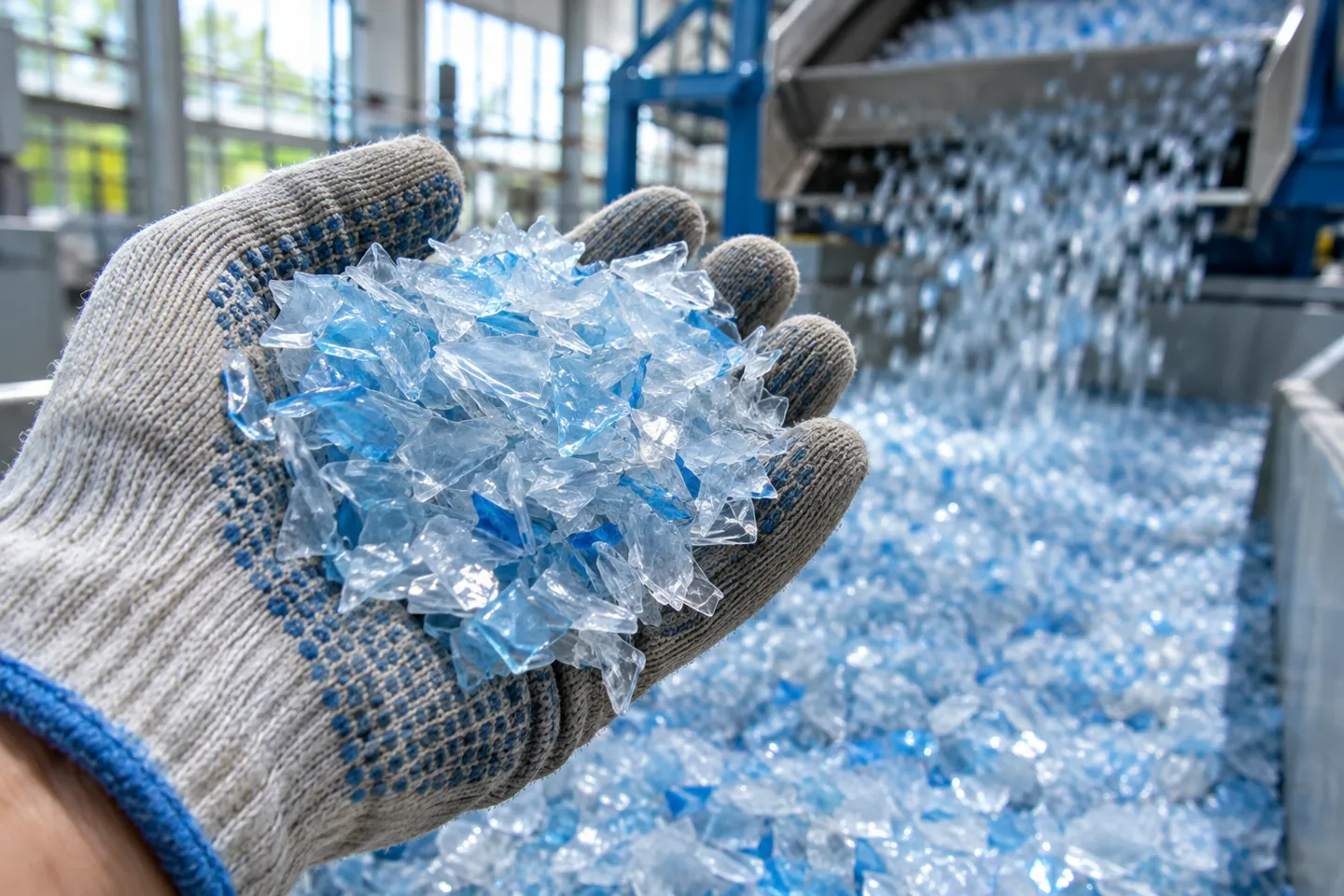
The exemption is where the money is, and it is also where claims fail. For PPT purposes, every plastic is assumed to be virgin until evidence says otherwise (GOV.UK, 2026). A component with 30% or more recycled plastic owes nothing, but only if the records behind it would survive an HMRC look, and the required proof is more specific than a sustainability brochure.
The Evidence HMRC Expects to See
HMRC lists the document types it accepts: production specifications showing recycled content, contracts, production certificates and certificates of conformity. Recognised accreditations and international standards, quality assurance audits, sales and purchase invoices and checks against registered reprocessors also count (GOV.UK, 2026).
What the evidence file must prove
- Ties the recycled percentage to a specific component and product line
- Shows which dates the evidence covers
- Confirms the source of the recycled plastic
- Stays on file for at least six years
- A new specification or material change means a new evidence set
For imported packaging the requirement is pointed: you either provide evidence from the manufacturer of the packaging, or you run a robust supply chain audit capable of proving the recycled content yourself (GOV.UK, 2026). Due diligence is the importer’s job, not the supplier’s, so an exemption that collapses on inspection lands on the business that made the claim.
Food Contact: The Natural Ceiling on Recycled Content
Food packaging cannot simply switch to 30% recycled material to escape the tax. GOV.UK states the constraint in one line: packaging should only contain recycled plastic where other regulations and food safety standards permit it (GOV.UK, 2026). Food-contact rules set clear limits on where recycled plastic may touch food, so the tax-efficient target and the compliance-safe target pull in opposite directions. Where recycled content is not permissible for the product, the honest cost model is a documented virgin component with the tax paid in full, and the procurement question becomes how well a supplier documents what actually shipped.
The 2027 Reset: Pre-Consumer Plastic Out, Certification In
Scrap that is merely shredded and fed back into production never counted at all; the 2027 change removes the reprocessed-factory-scrap route entirely.
1 April 2027
Two changes hit recycled-content claims
Pre-consumer recyclate (reprocessed factory scrap) stops counting towards the 30% threshold.
Chemically recycled plastic moves to a mass balance approach; HMRC’s detailed guidance lands in early 2027.
On top of the scheduled changes, HMRC is consulting until 10 August 2026 on mandatory third-party certification for mechanically recycled content. The consultation notes that verification today rests on chain-of-custody documents, that there is no direct test for recycled content, and that imported packaging is where evidence is weakest (CMS, 2026). A claim that passes in 2026 can fail in 2027 without the packaging itself changing.
Put the four material routes side by side and the trade-offs become explicit:
Sourcing routes under the Plastic Packaging Tax
| Route | Where it works | Where it breaks |
|---|---|---|
| Virgin plastic with full tax paid | food-contact products; lines with no recyclate evidence chain | every annual rate rise compounds the cost and there is no exemption to claim |
| Mechanically recycled rPET at 30%+ | non-food-contact lines where the manufacturer can issue content evidence | food-contact restrictions, and claims collapse if the evidence is not at the standard HMRC records require |
| Chemically recycled plastic via mass balance | post-2027 strategies that need high recycled shares | requires certified processes and mass-balance accounting, with detailed guidance only landing in early 2027 |
| PLA and other bioplastics | brands selling a compostability story | still plastic under the tax, so anything below 30% recycled content is chargeable like any other polymer |
Registration, Returns and Records: The Compliance Calendar
Once a threshold test pulls you in, the rhythm is quarterly. Returns go to HMRC four times a year, in arrears, and the figures in them must be backed by accounts kept per product line, where a product line is a group of components produced to the same specification (GOV.UK, 2026).
The clock most businesses trip on is the 30-day registration window after becoming liable. Penalties can follow a missed window, and the tax itself applies from the liability date, so registering late does not erase the back-tax (GOV.UK, 2026).
Records run on a six-year clock from the end of each accounting period, in writing or digitally, covering weights in tonnes, kilograms and grams, recycled-content calculations, exemption evidence, export documentation and any corrections to past returns (GOV.UK, 2026).
Two structural points close the loop. Nothing in the system reminds you: HMRC expects businesses to spot their own liability, and a supplier’s silence is not a defence. And HMRC can pursue secondary and joint-and-several liability through the supply chain, which means routing around the tax through suppliers creates exposure rather than savings (GOV.UK, 2026).
Become liable: a 10-tonne test fires, forward or look-back
Register: within 30 days of the liability date
Report: quarterly returns to HMRC, in arrears, backed by per-product-line accounts
Retain: records for 6 years from the end of each accounting period
What This Means for Your Packaging Sourcing
Three facts from the sections above rewrite the sourcing rulebook. The rate only rises, so this is a permanent and growing line in unit cost rather than a 2022 one-off. Liability is per component and evidence-based, so the strength of your exemption is exactly the strength of the documents your supplier can issue. And the 2027 reset means a specification that qualifies today may stop qualifying after April 2027.
That leads to a position worth stating plainly. On food-contact lines, a documented virgin component with the tax paid honestly usually beats a recycled-content claim that cannot survive an inspection, because a collapsed exemption costs the tax plus penalties on every unit already sold through, not just the next order. On non-food lines, recycled content is worth pursuing, but only from suppliers who can issue manufacturer-level evidence: production specifications stating recycled percentages, and certificates of conformity traceable back to the recyclate source (GOV.UK, 2026).
Three actions put this into practice this quarter: write the evidence requirement into purchase specifications and contracts, add a tax line to your per-unit cost model using rate times component weight, and audit supplier evidence capability against the 2027 rules before they harden into requirements.
We run our own lines on that standard. OUTSTANDING bottles and jars ship with ISO 9001 quality management, FDA and EU 10/2011 food-contact documentation and SGS testing behind them, and our current certificates and food-contact documentation are published for buyers to check before ordering. Ask any supplier, us included, for exactly that paperwork.
Packaging that arrives with its paperwork
Send your specification and the evidence file comes back with the quote, not after the first order.
Start your packaging inquiryReferences
- GOV.UK. “Plastic Packaging Tax: Steps to Take.” 2026.https://www.gov.uk/guidance/check-if-you-need-to-register-for-plastic-packaging-tax
- GOV.UK. “Check Which Packaging Is Subject to Plastic Packaging Tax.” 2026.https://www.gov.uk/guidance/work-out-which-packaging-is-subject-to-plastic-packaging-tax
- GOV.UK. “Check When You Must Register for Plastic Packaging Tax.” 2026.https://www.gov.uk/guidance/when-you-must-register-for-plastic-packaging-tax
- GOV.UK. “Work Out the Weight of Packaging for Plastic Packaging Tax.” 2026.https://www.gov.uk/guidance/how-to-work-out-the-weight-of-packaging-for-plastic-packaging-tax
- GOV.UK. “Records and Accounts You Must Keep for Plastic Packaging Tax.” 2026.https://www.gov.uk/guidance/record-keeping-and-accounts-for-plastic-packaging-tax
- GOV.UK. “Plastic Packaging Tax Guidance Collection.” 2022.https://www.gov.uk/government/collections/plastic-packaging-tax
- CMS. “Key Consultation on Mandatory Third-Party Certification for UK Plastic Packaging Tax Recycled Content Claims.” 2026.https://cms.law/en/gbr/legal-updates/key-consultation-on-mandatory-third-party-certification-for-uk-plastic-packaging-tax-recycled-content-claims
- Ecosurety. “The Plastic Packaging Tax Essential Guidance: What You Need to Do.” 2026.https://ecosurety.com/guidance/plastic-packaging-tax/the-plastic-packaging-tax-essential-guidance—what-you-need-to-do